
Cold weather is context, not a diagnosis
When a Cincinnati garage door is slow or reluctant to move in winter, start with what changed. A frozen bottom seal, obstructed sensor and unbalanced door require different responses. Do not keep pressing the remote in the hope that more cycles will free the system.
If you see a tilted door, damaged cable or broken spring, stop use and arrange repair help. The season does not make a hazardous mechanical problem safe to troubleshoot.
Observe the threshold safely
Look for snow, ice, leaves or an object preventing contact with the ground. Clear loose debris only when the door is still and the task is safely accessible. Do not pry against panels or use the opener to pull a frozen seal free. Follow the manufacturer’s guidance for your door and seal material.
| Winter observation | What to discuss |
|---|---|
| Seal appears stuck at the floor | Safe release method for the material |
| Daylight along one edge | Seal contact, alignment and slab condition |
| New strain or uneven travel | Balance and lifting-hardware assessment |
| Reversal before touching ground | Sensor, obstruction and travel inspection |
| Loud new squeal | Correct component and lubricant guidance |
Avoid the grease-everything approach
Garage-door tracks are guides, not grease channels. Applying the wrong material can collect dirt or interfere with parts. Use only the lubricant and application points specified for the door hardware. Some components have sealed bearings or material-specific restrictions.
A maintenance inspection can identify wear and distinguish moving-component lubrication from a track alignment problem. Do not loosen brackets or adjust spring tension while performing routine observation.
Sealing is part of a larger opening
A worn bottom seal may need attention, but a sloping slab or an out-of-square door can produce similar gaps. Increasing downward force can damage the system without correcting the geometry. Ask whether perimeter seals, threshold condition or door alignment are responsible.
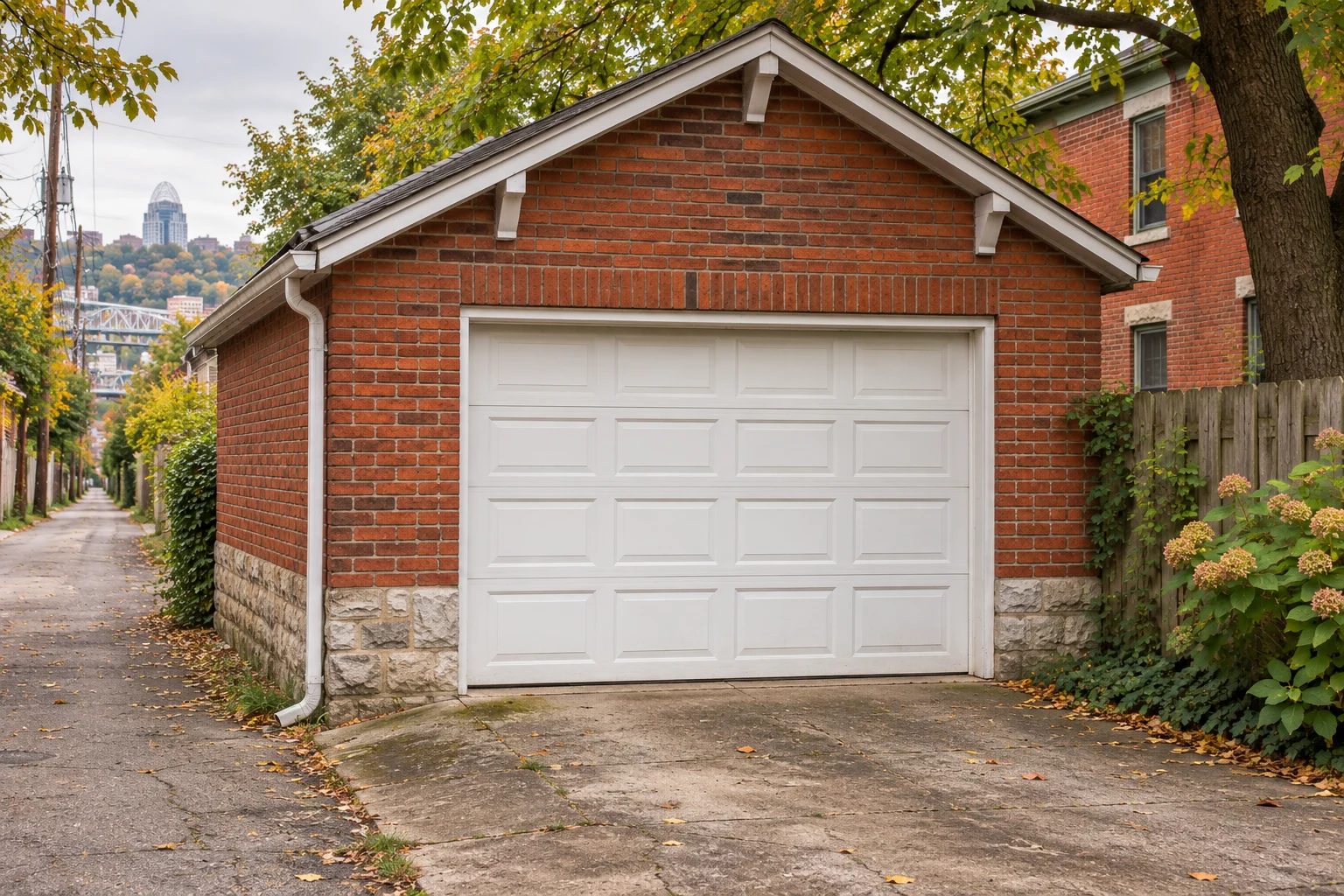
Older brick garages in Addyston and Cincinnati may have different fit constraints from newer attached openings. Use the listed ZIP pages to check coverage rather than assuming the whole river corridor is included.
Keep safety tests model-specific
Follow the operator manual for photo-eye and reversal checks. Do not bypass an eye because weather or condensation seems inconvenient. If a safety test fails, stop automatic use until the fault is resolved.
Keep the manual somewhere accessible and record the model label before an urgent issue occurs. A short note about the date, temperature and exact behavior is more useful to the technician than a general claim that the door always hates winter.
Make an outage plan in advance
Know the manufacturer’s emergency release procedure while the door is safe. Never release a raised door that may be unbalanced, and do not attempt a manual lift with a suspected broken spring. If the garage has no secondary entrance, discuss that limitation when planning opener options.
Preparation reduces uncertainty. It does not create a guarantee that a garage door will operate through every cold-weather event.
Primary technical reading
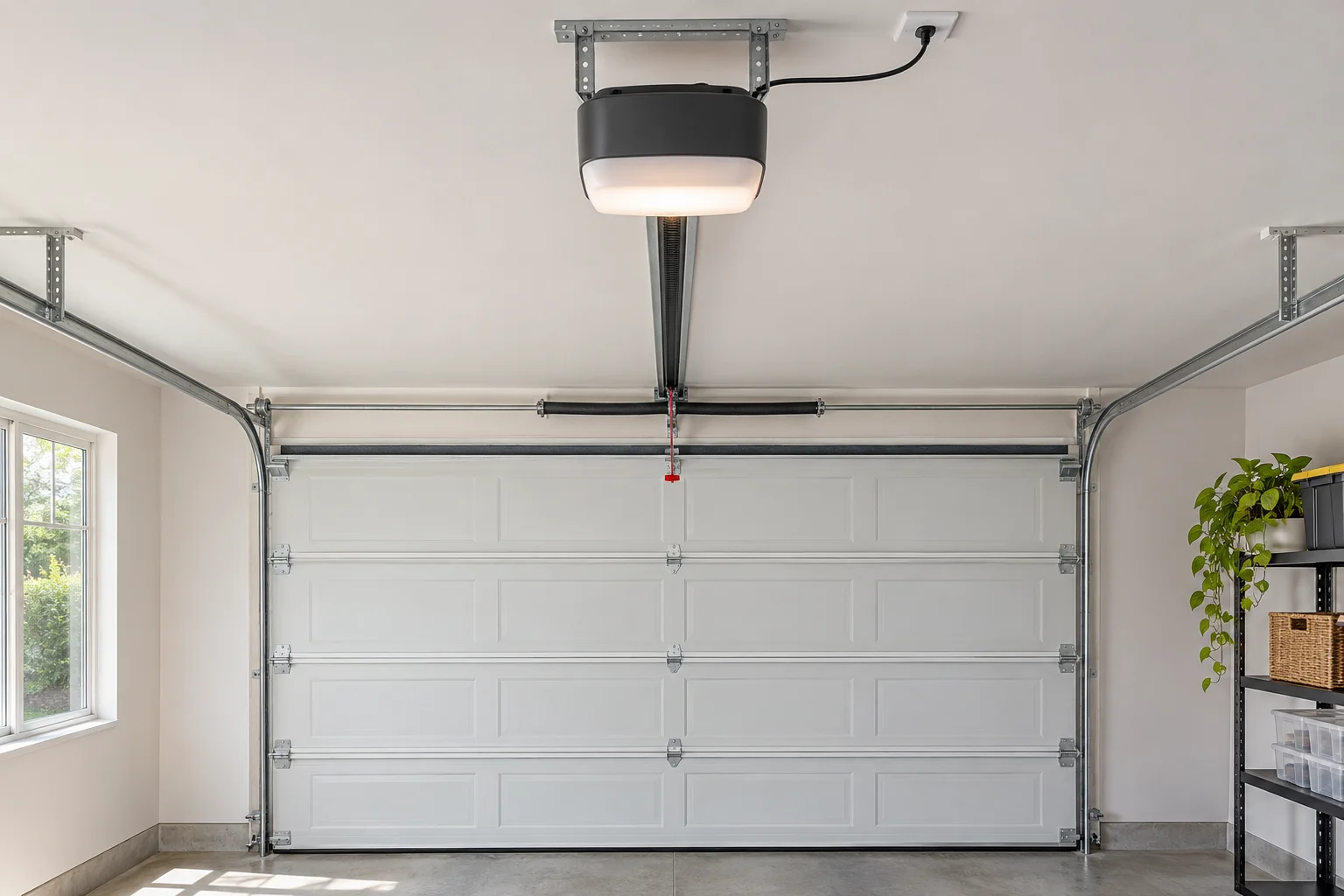
The DASMA safety library explains garage-door system precautions. Its technical data sheets support product and installation questions. These general references do not replace the exact door and operator manufacturer’s instructions. For a local request, confirm your ZIP in our service-area directory, then describe the symptom and safe access by phone.