
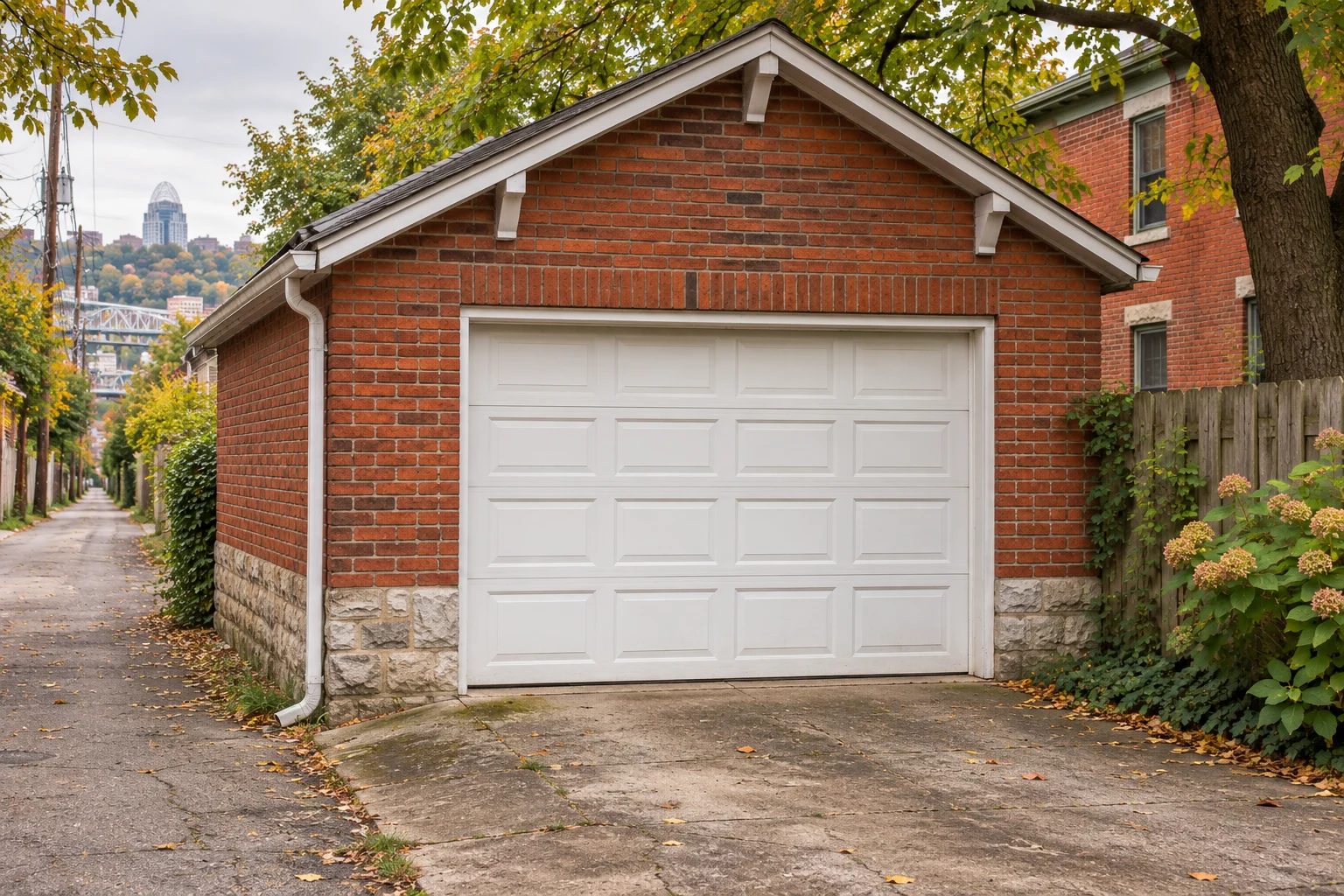
A stuck door is not a replacement diagnosis
A Cincinnati garage door can stop for a small control problem or a significant counterbalance failure. The symptom alone does not tell you whether to keep the door. Begin with a repair assessment and ask the technician to separate door condition, lifting hardware and opener condition. These are connected systems, but they are not the same purchase decision.
A homeowner may notice only that the remote no longer opens the garage. If the door is binding or a spring has broken, replacing the motor can leave the underlying hazard in place. Conversely, a sound door with an obsolete operator may not need new panels and tracks.
Look at where damage sits
A shallow dent away from a hinge or reinforcement is different from a creased section, cracked stile or damaged top attachment. Structural damage can change the way force travels through the door. Do not keep operating a panel that folds or a door that leans to one side.
| Condition | Question for the assessment |
|---|---|
| One damaged section | Is an exact compatible section still available? |
| Several deteriorated sections | Is the remaining structure worth retaining? |
| Door moves unevenly | Are cables, springs or tracks contributing? |
| Motor runs but door stays still | Is the door disconnected, jammed or unsupported? |
| Draft at the floor | Is the issue seal wear, alignment or the slab? |
Matching a section takes more than matching a color
Section thickness, joint profile, hinge position and reinforcement need to be compatible. A visually similar panel from another product line may not fit safely. Ask whether the proposed section is approved for the existing assembly and how its weight affects balance.
Paint can fade differently across panels. If appearance matters on a brick or carriage-style facade, review the expected finish difference before approving a partial repair. Appearance is a separate question from structural suitability.
When a complete replacement is a useful comparison
A door with widespread deterioration, unavailable compatible sections or repeated mechanical problems may justify a full replacement discussion. Ask what happens to the old tracks, springs and opener. Retaining hardware is appropriate only when it is compatible with the new assembly and its manufacturer permits reuse.
For Cincinnati’s older masonry garages, include the jambs and lintel in the inspection. A new panel cannot correct an insecure attachment point. Our Cincinnati coverage page explains the listed postal footprint, while Hamilton and Middletown have their own request details.
Ask for a decision you can understand
A useful explanation identifies the cause, the safe repair option, any limitations and what replacement would change. Ask which parts are being retained and what tests follow the work. You should be able to describe the reason for the recommendation in ordinary language, without accepting a universal rule that every older door needs replacement.
Keep the door still if it is crooked, has a broken spring or shows cable damage. Photos can help explain the problem, but take them from a safe floor position. Do not release or dismantle an unstable system to make the inspection easier.
Primary technical reading
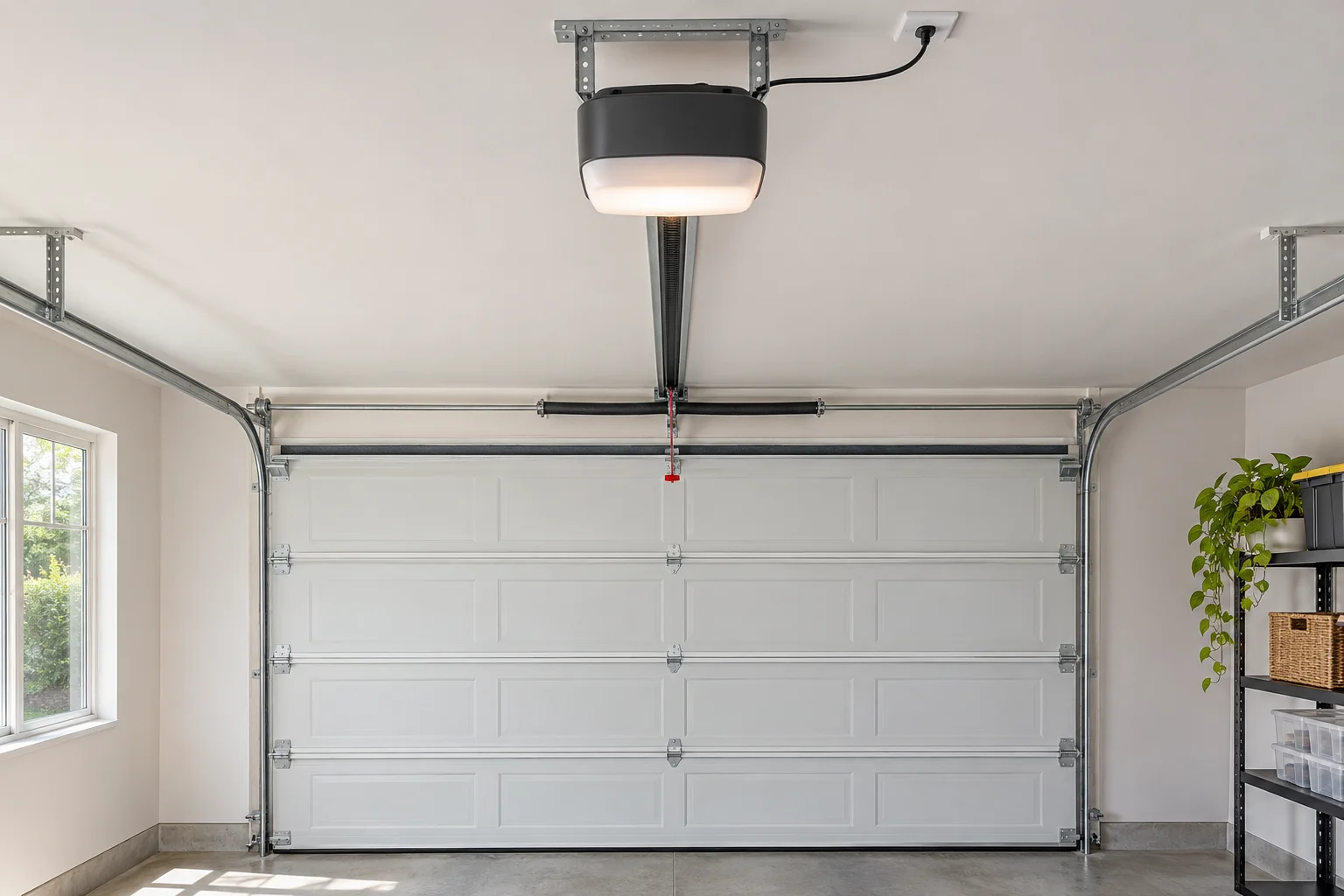
The DASMA safety library explains garage-door system precautions. Its technical data sheets support product and installation questions. These general references do not replace the exact door and operator manufacturer’s instructions. For a local request, confirm your ZIP in our service-area directory, then describe the symptom and safe access by phone.